
Blogs
7 Points To Consider Before Buying An Air Cooler For Your Office

Mar
Introduction
Office cooling plays a much bigger role than just managing temperature. A comfortable indoor environment directly affects employee productivity, focus, and overall workplace well-being. Poor cooling can lead to fatigue, discomfort, and reduced efficiency—especially during long working hours and peak summer months.
For many offices, air coolers have emerged as a practical alternative to air conditioning. They consume less electricity, allow fresh air circulation, and are suitable for a wide range of office layouts. However, not every air cooler is ideal for a professional workspace. Choosing the right model requires careful evaluation of multiple factors to ensure long-term comfort and cost efficiency.
Below are 7 essential points to consider before buying an air cooler for your office.
1. Office Size and Cooling Capacity
The first and most important factor is matching the air cooler’s capacity with your office size. Office area, ceiling height, and the number of people working in the space all influence cooling requirements. A small meeting room and a large open-plan office will need very different cooling capacities.
Airflow capacity, often measured in CFM (Cubic Feet per Minute), indicates how much air a cooler can circulate.
- A cooler with low CFM may struggle to cool larger offices.
- A high-CFM cooler in a small room can cause uneven airflow and unnecessary power use.
Choosing the right capacity ensures effective cooling without wasting energy.
2. Ventilation and Fresh Air Circulation
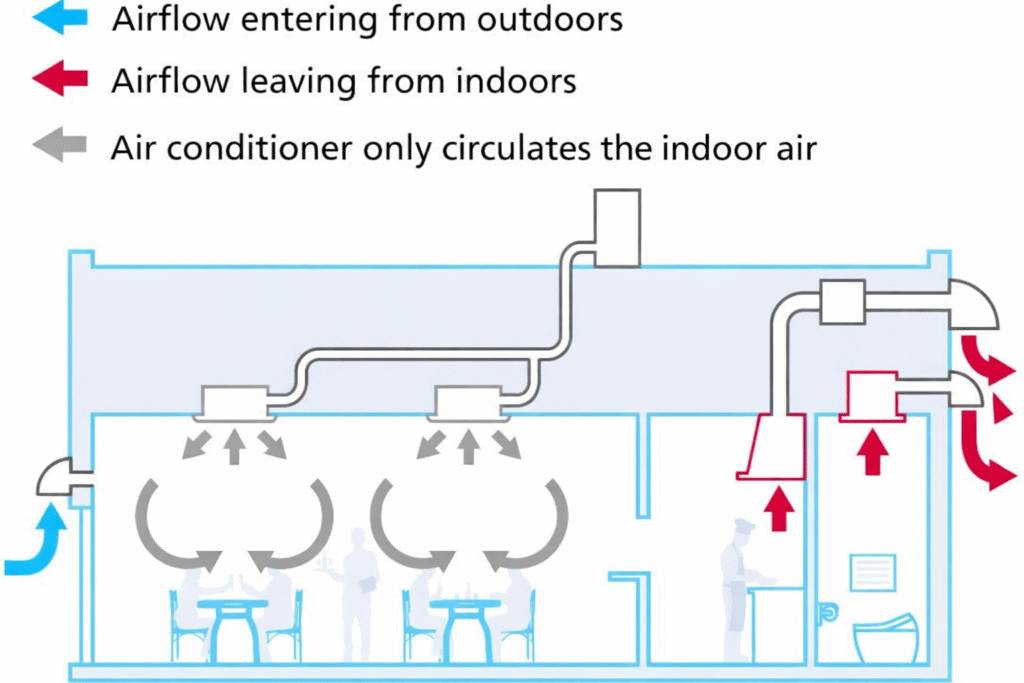
Air coolers work best in well-ventilated environments. Unlike air conditioners that recirculate indoor air, air coolers rely on continuous fresh air intake.
Before buying, assess:
- Availability of windows or exhaust openings
- Possibility of cross-ventilation
- Placement of air outlets for smooth airflow
Proper ventilation allows hot air to escape while cool, fresh air circulates throughout the office. This improves indoor air quality and prevents the space from feeling humid or stuffy.
3. Energy Consumption and Power Efficiency
One of the biggest advantages of using an air cooler for office spaces is lower energy consumption. Compared to air conditioners, air coolers use significantly less electricity, making them suitable for offices that operate for long hours. Over time, this can result in substantial savings on power bills.
When evaluating options:
- Check power ratings and motor efficiency
- Look for models designed for continuous use
- Consider long-term electricity costs rather than just upfront price
An energy-efficient air cooler helps maintain comfort without increasing operational expenses.
4. Noise Levels for Office Comfort
Noise is often overlooked but is critical in a work environment. Excessive noise can disrupt meetings, reduce concentration, and impact productivity.
Factors that influence noise levels include:
- Fan design and motor quality
- Airflow speed settings
- Overall build and insulation
For offices, choosing a low-noise office air cooler ensures a calm and distraction-free workspace, especially in areas like conference rooms, cabins, and open desks.
Contact Us to get assistance according to your workspace requirements
5. Type of Air Cooler Suitable for Offices
Different office layouts require different types of air coolers. Understanding the main categories helps narrow down the right choice.
- Personal Air Coolers: Suitable for small cabins or individual workstations
- Tower Air Coolers: Ideal for medium-sized offices with limited floor space
- Desert Air Coolers: Best for large halls, open offices, and commercial spaces
Selecting the right type ensures balanced cooling, efficient airflow, and better space utilization.
6. Maintenance and Ease of Use
In office environments, maintenance should be minimal and easy to manage. Complicated upkeep can lead to inconsistent cooling and hygiene issues.
Key maintenance aspects to consider:
- Ease of water tank cleaning
- Accessibility of cooling pads
- Frequency of routine maintenance
Low-maintenance air coolers help offices maintain consistent performance without frequent service interruptions, making them a more practical long-term solution.
7. Build Quality, Durability, and After-Sales Support
Office equipment is expected to operate daily for extended hours. Build quality directly affects durability and performance consistency.
When evaluating build and support:
- Look for corrosion-resistant materials
- Check warranty coverage
- Ensure availability of service support and spare parts
A well-built office air cooler offers better reliability and long-term value, even if the initial investment is slightly higher.
Conclusion
Choosing the right air cooler for your office involves more than just picking a model with strong airflow. By carefully evaluating office size, ventilation, energy efficiency, noise levels, cooler type, maintenance needs, and build quality, businesses can create a comfortable and productive work environment. Balancing employee comfort with operational efficiency and energy costs leads to smarter cooling decisions. A well-chosen office cooling solution not only improves day-to-day comfort but also supports long-term workplace performance.
Creating a comfortable office environment starts with selecting the right cooling solution. A well-chosen office air cooler can help manage heat, reduce energy costs, and maintain better air circulation throughout the workspace. Explore practical and energy-efficient cooling options from Siddham Coolers to find a solution that aligns with your office size and daily operational needs.
