
Blogs
Woodwool vs Honeycomb Cooler Pads 2026 – Which One Should You Choose?
May
Choosing The Best Cooler Pads for Your Air Cooler
When summer temperatures soar — especially in hot regions like Rajasthan — your air cooler is only as good as its cooling pads. But with two popular options on the market, Woodwool and Honeycomb cooler pads, most buyers are left confused about which one actually delivers better cooling, lasts longer, and offers real value for money.
In this guide, we break down the key differences between Woodwool vs Honeycomb cooler pads — comparing cost, efficiency, maintenance, lifespan, and eco-friendliness — so you can make the smartest choice for your home or office this summer.
Woodwool Cooler Pads
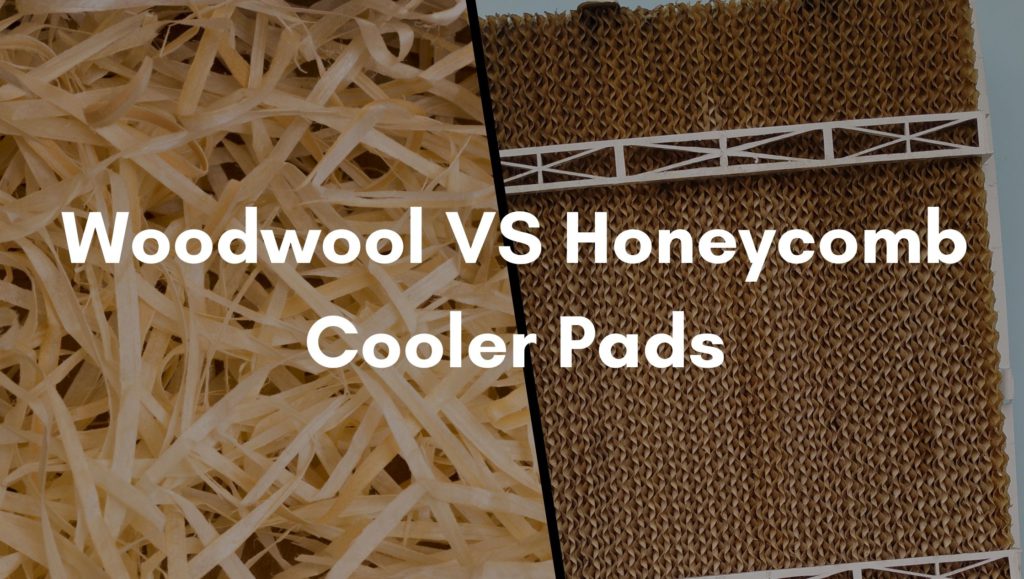
- Woodwool cooler pads are made up of thin, intertwined wood fibers that form a porous structure. These traditional pads function by absorbing water and enabling gradual evaporation through the pad, resulting in air cooling due to the evaporation process.
- The main benefits of Woodwool pads are their accessibility to a wide range of consumers due to their cost and availability. When they wear out, they are also reasonably simple to replace, which reduces downtime and guarantees a reliable cooling function.
- Despite being relatively inexpensive, easily obtainable, and simple to replace, woodwool pads have their limitations. They are less efficient at cooling compared to honeycomb pads, require frequent maintenance (cleaning and replacement), are prone to sagging and mildew development if not properly maintained, and are not as eco-friendly due to their wood consumption.
- Woodwool pads demand regular upkeep, including frequent cleaning and replacement, as they tend to sag and develop mildew if not properly maintained. This leads to higher maintenance expenses and increased downtime. Additionally, the production of woodwool pads contributes to deforestation, which raises valid environmental concerns.
Honeycomb Cooler Pads
- Honeycomb cooling pads are made of a stiff paper material organized in hexagonal cells, similar to a honeycomb. This distinct design enhances the surface area to improve cooling effectiveness.
- These pads function based on the principles of absorption and evaporation, similar to conventional Woodwool pads, guaranteeing effective cooling. Nevertheless, what distinguishes them is their exceptional honeycomb structure, specifically designed to improve both air circulation and water retention. This blend leads to exceptional cooling capabilities, even in extreme heat.
- Honeycomb pads provide unparalleled advantages, delivering more effective cooling in comparison to Woodwool due to their innovative structure. Enjoy convenience with reduced maintenance requirements, as the pads exhibit exceptional water retention and mold resistance, ensuring a trouble-free cooling process.
- Additionally, honeycomb pads are designed for durability, offering a longer lifespan than traditional woodwool pads, and delivering consistent cooling comfort over an extended period. Embrace sustainability with our environmentally friendly approach, as the recyclable materials utilized in our honeycomb pads contribute to a healthier planet.
- Honeycomb pads are known for their efficiency and durability, making them a popular choice for cooling solutions. However, it’s important to note that they do come with a slightly higher initial cost compared to traditional Woodwool pads.
- Despite the upfront expense, honeycomb pads offer reduced maintenance needs and are environmentally friendly, making them an excellent option for those who prioritize quality and sustainability in their cooling needs.
Comparison Chart
| Features | Woodwool Pads | Honeycomb Pads |
|---|---|---|
| Cost | Low (₹100–₹300) | Slightly High (₹300–₹800) |
| Maintenance | Every 3–6 Months | Every 1–2 Years |
| Efficiency | Moderate Cooling | 20–30% Better Cooling |
| Lifespan | 6 Months – 1 Year | 3–5 Years |
| Eco-Friendly | ❌ No | ✅ Yes |
| Best For | Budget Buyers | Long Term Use |
Woodwool vs Honeycomb — Which is More Cost-Effective?
A single Woodwool pad costs ₹100–₹300 but needs replacement every 3–6 months. Over 3 years, you may spend ₹600–₹1800 on replacements. A Honeycomb pad costs ₹300–₹800 upfront but lasts 3–5 years with minimal maintenance — making it the smarter long-term investment.
Best Cooler Pad for Rajasthan’s Hot & Dry Climate
Rajasthan’s extreme dry heat makes cooling pad selection even more critical. In cities like Udaipur, Jodhpur, and Jaipur — where temperatures cross 45°C in summer — Honeycomb pads are the clear winner. Their superior water retention and high airflow efficiency ensure consistent cooling even during peak heat hours. Woodwool pads tend to dry out faster in dry climates, reducing their effectiveness significantly.
The Right Cooler Pads
Understanding the differences between woodwool and honeycomb options is crucial when deciding on the ideal cooler pad. Woodwool pads are affordable and easy to replace, but Honeycomb pads surpass them in terms of cooling efficiency, requiring less maintenance and having a longer lifespan, despite a slightly higher initial cost.
For the best performance, we highly recommend honeycomb pads, as they provide superior cooling, reduced upkeep, and extended durability. However, it is worth noting that Woodwool pads may be suitable for budget-conscious customers who prioritize affordability and simple replacement.
Benefits of Using High-Quality Cooler Pads
Choosing premium cooler pads has several advantages. These pads guarantee optimal cooling, resulting in increased comfort in warm weather. Additionally, by running more effectively, they help save energy. Furthermore, premium cooler pads enhance indoor air quality by efficiently filtering air and lowering contaminants, giving residents a healthier and more pleasant environment for occupants.
Frequently Asked Questions (FAQs)
Q1. Which cooler pad is better — Woodwool or Honeycomb?
Ans. Honeycomb pads are better — more durable, retain water longer, and require less maintenance. Woodwool is cheaper but needs frequent replacement.
Q2. How long do Honeycomb cooler pads last?
Ans. Honeycomb pads last 3–5 years with proper care. Woodwool pads need replacement every 3–6 months.
Q3. Can I replace Woodwool pads with Honeycomb pads?
Ans. Yes! Most air coolers support both pad types. Just check the size and fit before purchasing a replacement.
Q4. Which cooler pad is best for Rajasthan’s climate?
Ans. Honeycomb pads are ideal for Rajasthan’s hot and dry climate — they retain water longer and provide 20–30% better cooling efficiency.
Q5. How often should I clean Honeycomb cooler pads?
Ans. Clean every 2–3 months. Rinse with normal water, avoid harsh chemicals, and air dry completely before reinstalling.
Q6. Are Honeycomb pads worth the higher price?
Ans. Yes — over 3 years, Woodwool replacements cost ₹600–₹1800 total, while one Honeycomb pad costs ₹300–₹800 and lasts the entire period.
Conclusion
After a detailed comparison, it’s evident that honeycomb cooling pads outshine woodwool pads in several key areas—including cooling performance, maintenance ease, and overall lifespan. While woodwool pads might seem like a budget-friendly option upfront, honeycomb pads deliver lasting value with superior efficiency and reduced upkeep. The long-term benefits far outweigh the initial investment, making honeycomb pads a smarter, more sustainable choice for effective cooling.
Looking for Reliable Cooling Solutions?
As a trusted fiber cooler supplier in Rajasthan and a leading air cooler supplier in Rajasthan, Siddham Coolers is committed to providing premium cooling products designed for performance, durability, and comfort. Whether you’re upgrading your current system or seeking the best solution for your home or business, explore our range of high-quality coolers and experience unmatched cooling efficiency.
